

Environmentalism is undergoing a structural transformation. The defining advancements of the last two years—driven by artificial intelligence, satellite systems, robotics, advanced materials, and hyperconnected sensors—have expanded the toolkit available to scientists, policymakers, and communities responding to ecological challenges. This wave is not incremental. It introduces systemic capabilities that simply did not exist before 2023, reshaping how societies monitor ecosystems, manage resources, and anticipate climate risk.
| Innovation | Technology Category | Environmental Impact | First Emergence |
|---|---|---|---|
| AI-Optimized Autonomous Energy Grids | AI + ICT | Increases renewable penetration; automates load balancing; improves grid resilience. | 2024 |
| Real-Time Climate Digital Twins | AI + HPC + Cloud | Enhances climate-risk modeling and disaster forecasting at ultra-high resolution. | 2024 |
| Satellite AI for Methane & Carbon Leak Detection | Satellite Tech + AI | Identifies methane leaks and deforestation with meter-level precision. | 2023 |
| AI-Driven Smart Soil Micro-Sensors | IoT + Edge Computing | Optimizes irrigation; reduces runoff; improves crop stability. | 2024 |
| AI-Powered Recycling Robotics | Robotics + Computer Vision | Increases sorting accuracy and recycling throughput; reduces landfill usage. | 2023 |
| Blockchain-Verified Carbon Markets | Blockchain + Fintech | Enables fraud-resistant, satellite-verified carbon credit trading. | 2024 |
| Autonomous Marine-Monitoring Drones | Robotics + AI + IoT | Tracks coral health, illegal fishing, and ocean biodiversity at scale. | 2023 |
| AI-Driven Urban Environmental Optimization | AI + Smart City ICT | Reduces pollution and heat; improves public-health planning with real-time analytics. | 2024 |
| IoT-Verified Sustainable Supply Chains | IoT + ICT | Tracks emissions, sources, and deforestation automatically using sensor networks. | 2023 |
| Biodegradable Smart Materials with Eco-ID Tags | Materials Science + IoT | Enables traceable, eco-friendly packaging with automated waste sorting. | 2024 |
These technologies emerged in response to sharper environmental pressures: worsening climate volatility, extreme weather, biodiversity loss, and rapid urbanization. They also reflect new convergences across AI, cloud computing, IoT, and materials science. Together, they are setting a new baseline for what environmental stewardship can achieve. The following ten innovations illustrate how the landscape is shifting—and what it means for the future of global environmental action.

AI-Optimized Autonomous Energy Grids
AI-enhanced grid-control systems have become one of the most significant advances in environmental management. Until recently, electricity networks operated through static forecasts and manual interventions. The introduction of transformer-based grid models, real-time telemetry, and AI-driven balancing frameworks has created the first generation of self-adjusting, autonomous grids. These systems analyze demand patterns, renewable-output variability, and grid conditions continuously, adjusting energy flows in ways that reduce waste and stabilize fluctuating renewable supply.
Public research organizations have highlighted the environmental significance of this shift. As the International Energy Agency notes, digitalized demand-driven systems allow renewables to operate at higher penetration levels, pushing coal and gas further out of the generation mix. These platforms also reduce curtailment—a longstanding obstacle for wind and solar producers. Pilots in Northern Europe and East Asia demonstrate that AI can reduce operational emissions while enabling more flexible, distributed energy markets.
A second benefit arises from grid resilience. As climate volatility increases outages and extreme weather threats, AI models can reroute power, isolate faults, and predict component failures. Autonomous decision-making shortens outage durations, minimizes equipment strain, and improves preparedness. For communities facing rising heat conditions or storm surges, reliability is no longer an operational convenience but a public-health necessity.
Finally, these models support long-term planning decisions. As cities expand electric-vehicle infrastructure and industries electrify operations, AI-enabled simulations help governments determine where to invest in substation upgrades, microgrids, and storage. The result is a more adaptive energy system aligned with both environmental and economic goals.

Real-Time Climate Digital Twins
Climate digital twins—ultra-high-resolution simulations of Earth systems—represent one of the most advanced uses of cloud computing and environmental modeling. These platforms integrate satellite observations, ocean data, atmospheric conditions, and land-use patterns into continuously updated environments. Unlike traditional climate models, which update monthly or quarterly, the newest digital twins operate in near real time.
These systems are now central to disaster-preparedness planning. Governments use digital twins to test cyclone pathways, evaluate wildfire progression, simulate floodplain risks, and estimate infrastructure vulnerabilities under different warming scenarios. Their near-instant feedback loops allow emergency planners to model evacuation routes and asset positioning with greater precision, reducing the human and economic cost of extreme events.
Beyond disaster management, digital twins influence long-term environmental decisions. Urban planners use them to identify heat-island concentrations, evaluate green-roof potential, and test cooling strategies. Agricultural ministries run irrigation and soil-health scenarios to forecast yield shocks or water scarcity. Environmental agencies map biodiversity movement across protected lands to determine where conservation corridors should be expanded.
These simulations also reshape climate finance. Investors use them to determine physical risk exposure for real estate and supply chains. The integration of high-fidelity modeling with financial analysis supports more accurate risk pricing and strengthens regulatory compliance in markets increasingly shaped by climate disclosure rules.
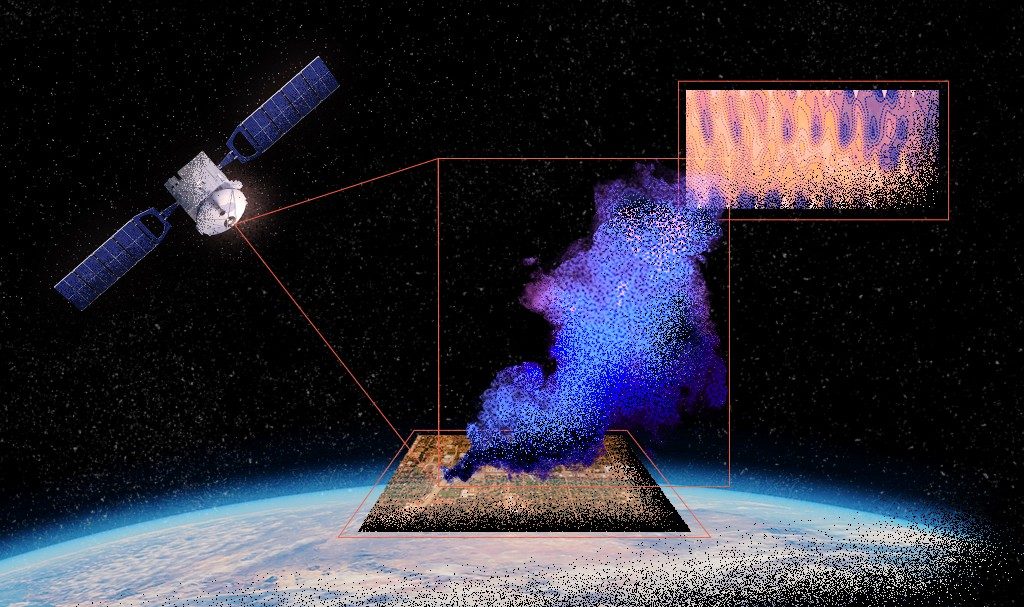
Satellite AI for Methane and Carbon Leak Detection
Two years ago, methane detection at meter-level accuracy was impossible outside specialized aircraft surveys. The newest generation of hyperspectral and thermal satellite systems—supported by advances in onboard AI—now identifies methane, carbon, and aerosol hotspots globally. This capability marks a major turning point for environmental enforcement.
Organizations such as the European Space Agency and GHGSat have shown how satellite intelligence can detect pipeline leaks, illegal gas flaring, unreported emissions, and deforestation activity in near real time. For regulators, this creates a verification mechanism that avoids dependence on voluntary reporting. For developing nations, satellite access levels the playing field by reducing the cost of monitoring large land areas.
The environmental impact is immediate. Methane has more than 80 times the warming power of CO₂ over 20 years; early identification of large leaks can drastically reduce short-term warming trajectories. Energy companies have begun using satellite alerts to initiate rapid repair protocols, lowering both emissions and financial losses from wasted fuel.
These systems also strengthen international climate agreements. As countries negotiate methane-reduction commitments, satellite platforms provide shared, verifiable data to support compliance, transparency, and dispute resolution. What was once an information gap is becoming a global monitoring capability.
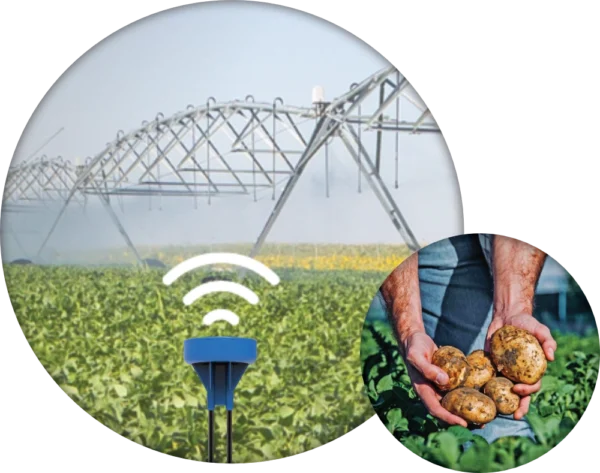
Smart Soil Micro-Sensors and AI-Driven Agriculture
Agriculture’s environmental footprint has long been constrained by limited real-time data. The emergence of nanotech soil micro-sensors, combined with edge-AI irrigation and nutrient-control systems, is changing that dynamic. These devices continuously measure moisture, salinity, nutrient concentrations, and microbe activity, offering detail unreachable by periodic sampling.
Farmers now deploy networks of micro-sensors that alert them to nutrient imbalance or water stress at the root-zone level. Paired with AI-guided irrigation systems, these networks reduce runoff, prevent fertilizer overuse, and improve yield predictability. Their environmental benefit is substantial: reduced chemical leakage protects waterways, and optimized irrigation conserves water in drought-prone regions.
Governments in Asia, Europe, and Africa are beginning to integrate these technologies into climate-resilient agriculture programs. Smallholders using micro-sensor systems report more accurate planting decisions, fewer crop failures, and improved adaptation to increasingly unpredictable weather. Over time, widespread adoption could significantly reduce agricultural emissions—a key component of global mitigation efforts.
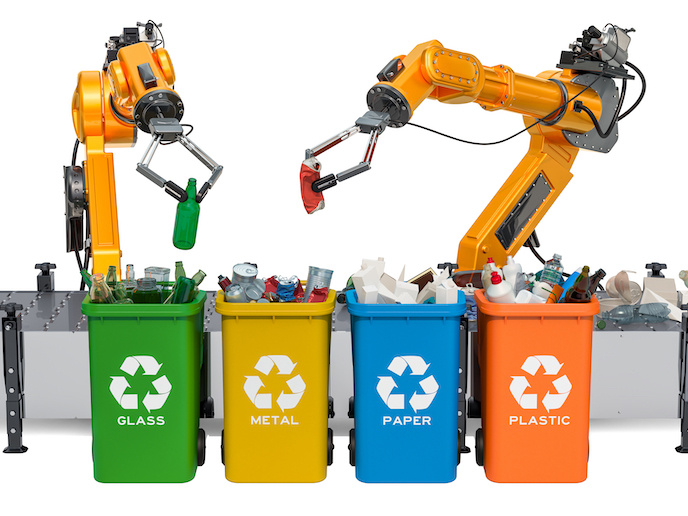
AI-Powered Recycling Robotics
Waste-management systems have historically suffered from contamination, inefficiency, and inconsistent sorting quality. The introduction of AI-powered, computer-vision robotics has redefined recycling capacity. These robots identify materials across dozens of categories at speeds surpassing human sorters, improving accuracy and reducing the volume of recyclable material sent to landfills.
Municipal recycling facilities that deploy these systems report measurable increases in recovery rates. By distinguishing between polymers, metals, composites, and biodegradable materials, AI robots reduce contamination, increase purity, and expand the types of waste streams that can be processed economically.
The environmental benefit extends across supply chains. Higher-quality recyclate improves circularity for packaging producers. Manufacturers sourcing recycled feedstock gain access to more reliable materials, supporting compliance with national recycling mandates and corporate sustainability commitments. In countries where waste streams contribute significantly to air and water pollution, AI robotics offer a pathway to scalable environmental health improvements.
As governments adopt extended producer responsibility (EPR) frameworks, these robots will play a larger role in verifying compliance and enabling transparent waste reporting.

Blockchain-Verified Carbon Markets with Satellite Integration
Carbon markets have long faced credibility challenges, especially around verification, permanence, and fraud. The integration of satellite environmental data with blockchain platforms represents a structural improvement in how carbon credits are issued, validated, and traded. This new architecture links independent, measurable environmental outcomes to transparent digital ledgers.
Projects using this approach often pair deforestation monitoring, methane detection, or agricultural emissions data with blockchain records. Every observed environmental change becomes part of a cryptographically verified dataset. This reduces duplication, eliminates unverifiable offset claims, and enhances trust among institutional buyers.
This model strengthens environmental governance by allowing regulators to monitor credits and verify compliance digitally. It also improves climate finance distribution, ensuring that funds reach legitimate conservation efforts. For communities participating in restoration or reforestation projects, transparent systems reduce intermediaries and increase revenue fairness.
As international markets expand, these combined technologies may define the next generation of climate-aligned financial instruments.

Autonomous Marine-Monitoring Drones
Marine ecosystems face escalating pressure: rising ocean temperatures, acidification, illegal fishing, and coral bleaching. Autonomous underwater drones have emerged as new tools for real-time ocean monitoring. These devices survey reefs, track fish populations, and collect biodiversity indicators through extended missions impossible for human crews.
Equipped with AI navigation, these drones operate at varying depths and transmit data to cloud analytics systems. Marine scientists use them to map coral-health gradients, detect illegal trawling activity, and monitor protected zones. High-resolution environmental imagery helps governments enforce maritime laws and inform conservation planning.
For coastal communities, these drones support sustainable fishing practices by offering clearer data on stock health and migration patterns. In regions with limited marine enforcement capacity, autonomous systems provide the surveillance coverage needed to protect ecosystems under stress.

AI-Driven Urban Environmental Optimization Systems
Smart cities increasingly rely on integrated sensor networks that monitor air quality, heat levels, noise pollution, traffic patterns, and water usage. The newest generation of urban optimization systems leverages AI to interpret these data streams and recommend interventions.
City planners use these insights to redesign transit systems, adjust traffic flows, and identify pollution sources. Health departments analyze localized air-quality data to anticipate respiratory risks during heat waves or wildfire seasons. Environmental agencies pinpoint neighborhoods disproportionately affected by urban heat islands and evaluate green-infrastructure solutions.
In expanding megacities, where environmental pressures intersect with population growth, these systems help governments design more sustainable, resilient urban spaces. They support public-health initiatives and encourage investment in green corridors, electric mobility, and emissions reduction.

IoT-Verified Sustainable Supply Chains
Environmental transparency has become a core expectation for global commerce. IoT devices, GPS trackers, and emissions sensors now verify supply-chain sustainability at every stage of production and transport. This real-time verification addresses the longstanding challenge of detecting deforestation, illegal extraction, or excessive emissions hidden deep within global supply chains.
Companies adopting IoT verification systems can trace raw materials from forest to factory, ensuring compliance with national laws and international environmental standards. Sensors installed in transport fleets measure fuel consumption and route efficiency, generating emissions profiles that regulators and investors can audit.
These systems empower consumers seeking credible environmental information. By reducing greenwashing, they strengthen trust in corporate sustainability claims and create incentives for companies to invest in cleaner operations. As disclosure rules tighten globally, IoT-verified supply chains are becoming foundational to environmental accountability.

Biodegradable Smart Materials with Embedded Eco-ID Tags
Materials science has accelerated rapidly in the last two years, delivering compostable or biodegradable packaging materials embedded with low-power identity markers or environmentally detectable chemical tags. These markers allow automated sorting systems to recognize material types instantly, improving accuracy and reducing contamination.
For waste-management operators, these eco-ID tags streamline sorting and allow facilities to separate compostable, recyclable, and specialty materials more efficiently. This innovation reduces landfill volumes and supports national waste-reduction targets.
For manufacturers, smart materials improve traceability across production cycles, enabling compliance with new packaging regulations requiring material disclosure and end-of-life planning. They also support circular-economy strategies by increasing recycling quality and enabling controlled degradation where appropriate.
As global concern over microplastic pollution intensifies, eco-ID materials demonstrate how advanced design can support environmental integrity across a product’s entire lifecycle.
Sources
United Nations Environment Programme Copenhagen Climate Centre and Common Futures — The Climate Technology Progress Report 2024 — Link
International Energy Agency — Digital Demand-Driven Electricity Systems — Link
European Space Agency — GHGSat Mission: High-Resolution Methane Emission Monitoring — Link
GHGSat — Satellite Greenhouse Gas Monitoring — Link
World Bank Group — Technology and Digitization in Supply Chain Finance: A Handbook for Sustainable Trade — Link
World Bank — Implementation of Public Agrifood Digital Traceability Platforms — Link
International Telecommunication Union — Frontier Technologies to Protect the Environment and Tackle Climate Change — Link
World Economic Forum — Top 10 Emerging Technologies of 2024 — Link
United Nations Environment Programme Finance Initiative — Climate Risk Landscape 2024 — Link
Institute of Internet Economics — Innovations Leading to a Sustainable Digital Future — Link