

Healthcare systems have achieved remarkable sophistication in diagnosing and treating complex diseases. Yet the everyday mechanics of routine care—prescription renewals, respiratory infections, dermatological irritations, or minor bacterial infections—often remain cumbersome. For many patients, obtaining treatment involves scheduling appointments days in advance, traveling to clinics, completing administrative intake procedures, waiting for consultations, and then visiting pharmacies to obtain medication.
The inefficiency becomes clearer when examining how healthcare systems allocate time. In the United States, physician consultations average roughly 18 minutes of direct patient interaction. The broader process of obtaining care, however—travel, waiting, registration, and administrative processing—often requires several hours. Administrative complexity contributes significantly to this imbalance. Research examining the U.S. healthcare system estimates that administrative activities account for approximately 25–30 percent of total healthcare spending, while physicians frequently spend nearly two hours on electronic documentation and records for every hour devoted to patient care.
The scale of routine care demand magnifies these inefficiencies. The United States alone records roughly 900 million primary care visits annually, and urgent care centers handle more than 200 million patient visits each year. Even in advanced healthcare systems, routine conditions can require disproportionate logistical effort.
Common Medical Conditions Suitable for Telemedicine Kiosk Triage
| Condition Category | Typical Symptoms | Typical Clinical Action |
|---|---|---|
| Respiratory Infections | Cough, congestion, mild fever | Symptom evaluation and telemedicine consultation |
| Urinary Tract Infections | Painful urination, urinary urgency | Structured triage and antibiotic prescription when appropriate |
| Dermatological Conditions | Rashes, minor skin infections | Visual evaluation and treatment recommendations |
| Seasonal Allergies | Sneezing, itchy eyes, congestion | Medication guidance and prescription refills |
| Chronic Condition Monitoring | Hypertension, diabetes management | Vital sign monitoring and follow-up consultation |
Sources: World Health Organization; National Library of Medicine; CDC Telehealth Research
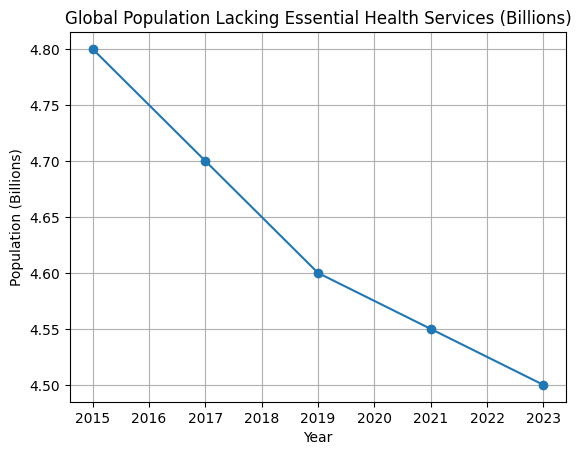
Globally, the challenge is even more pronounced. The World Bank estimates that approximately 4.5 billion people—more than half of the global population—lack full access to essential health services. Financial barriers compound the problem. According to the World Health Organization, around 100 million people are pushed into extreme poverty each year due to healthcare expenses, while roughly 26 percent of the global population experiences financial hardship related to medical costs.
The health consequences of delayed care are substantial. Cardiovascular disease remains the leading cause of death worldwide, responsible for approximately 17.9 million deaths annually. Much of this burden originates from conditions that can be managed effectively when detected early. The WHO estimates that 1.28 billion adults globally live with hypertension, yet nearly half remain unaware of their condition. Diabetes presents a similar pattern. The International Diabetes Federation reports approximately 537 million adults living with diabetes today, with projections exceeding 640 million by 2030.
These numbers illustrate a central challenge facing modern healthcare systems: improving access to routine diagnostics and early treatment may deliver larger health gains than many advanced medical interventions.
Telemedicine Kiosks as Distributed Micro Clinics
Healthcare kiosks initially appeared as administrative tools designed to streamline patient check-in processes within hospitals. Over time, however, these systems have evolved into compact diagnostic platforms capable of supporting a growing range of clinical interactions.
Modern telemedicine kiosks integrate guided symptom intake, automated triage protocols, biometric sensors, and secure video connections with licensed clinicians. Basic diagnostic capabilities typically include measurements such as temperature, blood pressure, oxygen saturation, heart rate, and body mass index. Some systems also support blood glucose testing or electrocardiogram monitoring.
The patient interaction follows a structured but efficient workflow. After verifying identity, the kiosk guides the patient through a symptom questionnaire while sensors collect biometric data. Clinical decision protocols evaluate this information to determine whether telemedicine consultation is appropriate.
If physician oversight is required, the kiosk initiates a secure video consultation. The clinician reviews the patient’s data, conducts a brief interview, and determines the appropriate treatment pathway. Prescriptions can then be transmitted electronically to pharmacies or dispensed through automated medication systems depending on regulatory frameworks.
These systems function as compact telemedicine “micro clinics.” Their infrastructure footprint is significantly smaller than traditional medical facilities, allowing deployment in locations such as pharmacies, retail environments, workplaces, transportation hubs, or community centers.
Market trends reflect this growing role. Industry analysis suggests that the global healthcare kiosk market—including patient intake systems, telemedicine stations, and automated pharmacy dispensing units—could exceed 3 billion dollars within the coming decade as healthcare systems increasingly adopt distributed digital infrastructure.
Key Technologies Integrated Within Telemedicine Kiosk Platforms
| Technology Component | Primary Function | Healthcare Role |
|---|---|---|
| Digital Symptom Triage Software | Structured clinical questionnaires | Initial patient screening |
| Biometric Sensors | Measure vital signs | Basic diagnostic data collection |
| Telemedicine Video Platforms | Secure remote consultations | Physician oversight and diagnosis |
| Electronic Prescription Systems | Digital medication authorization | Pharmacy integration |
| Automated Medication Dispensers | Secure medication dispensing | Immediate prescription fulfillment |
Sources: JMIR Medical Informatics; Nature Digital Medicine; Healthcare IT News
Why Routine Care Is Suited to Structured Triage
The viability of telemedicine kiosks is closely linked to the structure of primary care demand. A substantial portion of outpatient visits involve conditions that follow predictable diagnostic pathways.
Research examining primary care utilization indicates that between one-third and one-half of physician visits involve conditions that can be diagnosed primarily through symptom evaluation combined with basic vital sign measurements. Common examples include respiratory infections, urinary tract infections, dermatological conditions, gastrointestinal complaints, and prescription management for chronic diseases.
Given the scale of routine care demand, the implications are considerable. In the United States, nearly 900 million primary care visits occur annually, and urgent care centers handle more than 200 million additional patient encounters each year. A significant share of these visits involve conditions that could potentially be evaluated through structured triage and telemedicine consultation.
Healthcare System Benefits of Telemedicine Kiosk Infrastructure
| Stakeholder | Operational Benefit | System-Level Impact |
|---|---|---|
| Patients | Faster access to routine diagnosis and prescriptions | Earlier treatment and improved disease management |
| Healthcare Providers | Remote supervision of multiple access points | Expanded physician capacity |
| Hospitals | Reduced administrative workload | Lower patient congestion in clinics and emergency departments |
| Employers | On-site healthcare access | Reduced absenteeism and improved workforce health |
| Public Health Systems | Expanded screening and monitoring | Improved early detection of chronic disease |
Sources: OECD Health Policy Studies; World Health Organization Digital Health Strategy; Institute of Internet Economics
Academic research examining healthcare kiosk deployments supports this observation. A systematic review published through the National Library of Medicine found that kiosks are commonly used for patient intake, routine health screening, telemedicine consultations, and medication adherence monitoring across hospital systems and community environments.
When patient history and vital sign measurements are collected before physician involvement, consultations become more efficient. Physicians spend less time gathering routine information and more time focusing on diagnostic evaluation and treatment decisions.
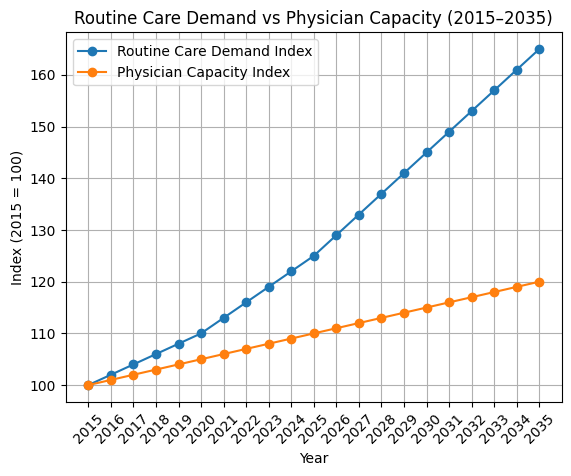
Healthcare workforce shortages reinforce the relevance of distributed care models. The World Health Organization estimates that the global healthcare workforce could face a shortage of approximately 11 million workers by 2030. In the United States, projections from the Association of American Medical Colleges suggest a shortage of between 17,800 and 48,000 primary care physicians by 2034.
Telemedicine as the Clinical Architecture
Telemedicine platforms provide the clinical foundation that allows kiosks to function as distributed access points rather than standalone diagnostic devices.
In this architecture, the kiosk performs the early stages of the clinical interaction. Patient history, symptoms, and biometric measurements are collected through structured intake processes. Algorithms then evaluate the case against established medical guidelines to determine whether telemedicine consultation is appropriate.
If the case falls within safe treatment parameters, the patient connects with a licensed clinician through secure video communication. Because intake and data collection have already occurred, consultations are typically shorter and more focused than traditional office visits.
The rapid adoption of telemedicine during the COVID-19 pandemic accelerated acceptance of this model. In the United States, telehealth usage among adults increased from roughly 15 percent prior to the pandemic to approximately 37 percent in 2021, according to the Centers for Disease Control and Prevention. Utilization later stabilized near 30 percent in 2022, remaining substantially higher than pre-pandemic levels.
Globally, the digital health sector has expanded alongside this shift. Industry estimates place the global telehealth market at more than 120 billion dollars in 2023, reflecting sustained investment in remote care infrastructure.
Telemedicine kiosks effectively serve as physical entry points into these digital care networks, extending clinical access to populations that may lack reliable internet connectivity or familiarity with telehealth platforms.
Early Detection, Access, and Health Outcomes
The broader significance of distributed telemedicine infrastructure becomes clearer when examined through the lens of population health.
Chronic diseases now account for the majority of global mortality. Cardiovascular disease alone is responsible for roughly one-third of deaths worldwide. Early detection and routine monitoring therefore play a critical role in reducing long-term health risks.
Hypertension affects more than 1.28 billion adults globally, yet nearly half remain undiagnosed. Diabetes prevalence continues to rise worldwide, with the International Diabetes Federation estimating 537 million adults living with the disease and projecting more than 640 million by 2030.
Routine monitoring significantly improves long-term outcomes. Blood pressure screening can identify hypertension before it leads to stroke or heart disease, while early diabetes management reduces the likelihood of kidney failure, neuropathy, and vision loss.
Distributed diagnostic infrastructure can support these screening activities. Telemedicine-enabled diagnostic kiosks deployed in parts of India illustrate this approach. These “Health ATM” systems allow patients to conduct numerous diagnostic tests—including blood pressure measurement, blood glucose screening, oxygen saturation monitoring, and electrocardiogram testing—while connecting to physicians through remote consultation networks. Some systems can measure more than sixty health indicators during a single session.
For rural populations where travel to hospitals may require several hours, such infrastructure can significantly improve access to screening and early treatment.
Key Technologies Integrated Within Telemedicine Kiosk Platforms
| Technology Component | Primary Function | Healthcare Role |
|---|---|---|
| Digital Symptom Triage Software | Structured clinical questionnaires | Initial patient screening |
| Biometric Sensors | Measure vital signs | Basic diagnostic data collection |
| Telemedicine Video Platforms | Secure remote consultations | Physician oversight and diagnosis |
| Electronic Prescription Systems | Digital medication authorization | Pharmacy integration |
| Automated Medication Dispensers | Secure medication dispensing | Immediate prescription fulfillment |
Sources: JMIR Medical Informatics; Nature Digital Medicine; Healthcare IT News
Economic and Social Implications
The emergence of distributed telemedicine infrastructure carries implications beyond clinical efficiency. Healthcare systems have historically relied on centralized facilities—hospitals, clinics, and administrative networks—to deliver routine care. Telemedicine kiosks alter that structure by shifting portions of routine care away from facility-based delivery toward smaller diagnostic nodes connected to remote clinicians.
This change can influence both healthcare costs and labor productivity. When routine medical visits require several hours of travel and waiting, workers may delay treatment or miss workdays to attend appointments. Faster access to diagnosis and prescription refills reduces absenteeism while improving continuity of care for chronic conditions.
For employers and national economies, improved routine healthcare access can translate into fewer lost workdays and healthier workforces. Earlier diagnosis also reduces the likelihood that treatable conditions will progress into expensive hospitalizations.
The infrastructure may also affect health inequality. In many regions, geographic distance from clinics determines whether patients receive timely care. When diagnostic and telemedicine systems are placed in pharmacies, workplaces, and community settings, the distance between patients and routine healthcare services narrows.
Healthcare Access Barriers and Digital Infrastructure Solutions
| Access Barrier | Traditional Healthcare Limitation | Digital Infrastructure Solution |
|---|---|---|
| Geographic Distance | Limited access to clinics in rural regions | Telemedicine kiosks and remote consultation stations |
| Physician Shortages | Limited appointment availability | Remote physician oversight across distributed locations |
| Administrative Complexity | Long intake procedures and scheduling delays | Automated symptom intake and digital patient registration |
| Healthcare Costs | Higher operational costs tied to facility-based care | Lower-cost routine care through distributed diagnostic access points |
| Delayed Diagnosis | Patients postpone visits due to inconvenience or cost | Community-based screening and remote consultations |
| Digital Divide | Telehealth access limited by device ownership or connectivity | Physical telemedicine kiosks providing public access to digital care |
Sources: World Bank Universal Health Coverage Reports; OECD Digital Health Studies; World Health Organization Global Health Strategy
Telemedicine kiosks therefore illustrate how digital infrastructure can reshape the economic organization of essential services, distributing clinical expertise across broader populations while reducing barriers to early medical care.
Regulation and Clinical Safety
Despite their advantages, telemedicine kiosks must operate within strict regulatory frameworks.
Diagnostic accuracy remains a central concern because many medical conditions present overlapping symptoms. Automated triage systems must therefore incorporate safeguards that identify warning signs requiring referral to in-person medical evaluation.
Medication dispensing introduces additional regulatory requirements. Automated pharmacy kiosks must comply with prescription verification standards, pharmacist supervision requirements, and patient identity authentication protocols.
Telepharmacy regulations vary across jurisdictions, but many regions require prescriptions to be reviewed by licensed pharmacists before medication can be dispensed through automated systems.
Data protection also represents a critical issue. Telemedicine kiosks collect sensitive personal health information and biometric data, requiring strong cybersecurity protections and compliance with privacy regulations.
Routine Care Pathway Before vs After Telemedicine Infrastructure
| Stage of Care | Traditional Care Process | Telemedicine-Enabled Care Process |
|---|---|---|
| Symptom Recognition | Patient schedules a clinic appointment | Patient initiates digital triage at kiosk or telehealth interface |
| Patient Intake | Administrative staff collect patient history during appointment | Automated symptom intake completed digitally |
| Diagnostic Assessment | Vitals collected during in-person clinical visit | Vitals collected through biometric sensors at access point |
| Clinical Consultation | In-person physician consultation | Remote physician consultation through telemedicine platform |
| Prescription Fulfillment | Patient travels to pharmacy to obtain medication | Digital prescription or automated dispensing at kiosk |
| Follow-Up Monitoring | Additional clinic visits required | Remote monitoring or telemedicine follow-up |
Sources: National Library of Medicine; JMIR Medical Informatics; OECD Digital Health Reports
The Structural Evolution of Routine Medical Access
Telemedicine kiosks illustrate a broader transformation in healthcare delivery.
For decades, healthcare systems have been organized around centralized facilities where patients travel to receive care. The emerging model increasingly places the first point of interaction within distributed digital infrastructure.
Routine care now begins with structured symptom intake and biometric screening. Telemedicine platforms then connect patients with clinicians who can diagnose and prescribe treatment remotely. Physical kiosks provide diagnostic tools and secure communication channels within community environments.
Hospitals and physicians remain essential for complex medical care, surgery, and specialized treatment. However, many routine medical interactions may increasingly occur through networks of telemedicine-enabled access points embedded within everyday environments.
In that environment, accessing routine healthcare may become as simple as visiting a nearby pharmacy kiosk, completing a guided health assessment, speaking briefly with a physician through telemedicine, and receiving treatment within minutes.
Healthcare remains a clinical institution. But the infrastructure through which routine care is accessed is beginning to evolve.
Key Takeaways
• Telemedicine kiosks combine diagnostic screening, remote physician consultation, and medication access within distributed healthcare access points.
• Approximately 4.5 billion people globally still lack access to essential health services.
• Chronic diseases such as hypertension and diabetes affect more than one billion people worldwide and benefit significantly from early detection.
• Telemedicine adoption rose from roughly 15 percent of U.S. adults before the pandemic to more than 30 percent today.
• Global healthcare workforce shortages could reach 11 million workers by 2030.
• Distributed telemedicine infrastructure can expand healthcare access while maintaining physician oversight.
Sources
- STAT News; Pharmacist oversight must be built into prescription kiosks; – Link
- Kiosk Industry; HIMSS 2026: Future-Proofing the Hospital Digital Front Door; – Link
- The Business Research Company; Ambient Digital Pharmacy Kiosk Market Share Report 2026; – Link
- Research Nester; Medical Kiosk Market Outlook: Size, Share, Growth Insights and Forecast Report 2026–2035; – Link
- Industry Research; Telehealth Kiosk Market Growth Forecast; – Link
- Fortune Business Insights; Automated Drug Kiosk Market Size, Share, Analysis, 2034; – Link
- Nature Communications Medicine; Vital signs-based healthcare kiosks for screening chronic and infectious diseases: a systematic review; – Link
- National Library of Medicine (PMC); Utilization of integrated health kiosks: A systematic review; – Link
- JMIR Medical Informatics; The Role of Health Kiosks: Scoping Review; – Link
- Nursing Journal; Health ATM: Telemedicine Enabled Diagnostic Kiosk Study; – Link
- The Medical Futurist; The Future Of Pharmacies In 3 Scenarios; – Link
- World Bank; Tracking Universal Health Coverage (UHC): 2025 Global Monitoring Report; – Link
- World Health Organization; Universal health coverage (UHC); – Link
- OECD; Leading practices for the future of telemedicine; – Link
- U.S. Pharmacist; The Evolving Telepharmacy Dispensing Landscape; – Link
- Centers for Disease Control and Prevention; Telemedicine Use Among Adults: United States, 2021; – Link
- Centers for Disease Control and Prevention; Declines in Telemedicine Use Among Adults: United States, 2021 and 2022; – Link
- Health Affairs; The Role Of Administrative Waste In Excess US Health Spending; – Link
- Annals of Internal Medicine; Allocation of Physician Time in Ambulatory Practice: A Time and Motion Study in 4 Specialties; – Link
- Urgent Care Association; The Role of Urgent Care and Patient Volume; – Link
- Institute of Internet Economics; E-Health; – Link
- Institute of Internet Economics; e-Health at Scale: Promise, Progress, and the Limits of Integration; – Link
- Institute of Internet Economics; Standardizing Health Data: How Interoperability Reshapes System Performance and Improves Outcomes; – Link
- Institute of Internet Economics; Telemedicine: How ICT is Reshaping Healthcare Delivery; – Link