

Modern technology is rewriting the fundamentals of ocean science. Tools once associated with space exploration, genomics laboratories, or artificial intelligence research now operate beneath the surface of the sea, delivering high-resolution insights into ecosystems long considered difficult or impossible to access. As underwater sensors, autonomous robots, acoustic systems, and machine-learning models converge, they replace slow, manual fieldwork with real-time monitoring and predictive analytics. This shift supports a more accurate and comprehensive understanding of marine life and the forces shaping biodiversity in reefs, pelagic zones, and deep-sea environments.
These advancements represent a transition toward data-driven conservation. By reducing the limitations of human diving, sparse sampling, and visual detection, technological systems allow scientists to detect animals, track movements, monitor habitat health, and analyze ecosystems with greater precision. The ten developments below illustrate how digital tools are shaping a new generation of marine research grounded in automation, continuity, and scientific rigor.
AI Can Identify Marine Animals Underwater in Seconds
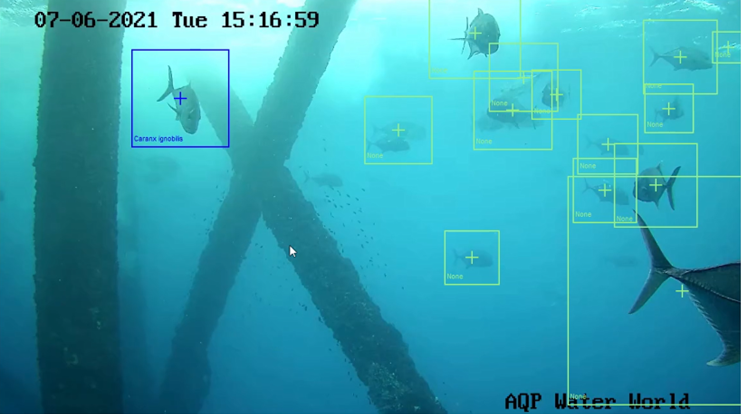
Artificial intelligence has emerged as one of the most effective technologies for marine wildlife identification. Deep-learning models trained on extensive image libraries can classify marine animals from underwater video, drone footage, and autonomous vehicle imagery. Instead of requiring analysts to manually screen thousands of frames, AI systems recognize species based on morphology, movement signatures, and patterning—even in challenging lighting or visibility conditions.
Wildbook for Marine Life demonstrates this capability through computer-vision models that identify whale sharks, manta rays, and other species using unique spot patterns. Complementary research at the University of Hawaii applies similar systems to reef fish classification across Pacific ecosystems. These models become more accurate as they absorb additional datasets, increasing their reliability across regions.
These capabilities allow research teams to expand the scale of species monitoring and generate more consistent data for population analysis. Automated identification increases efficiency, supports broader geographic coverage, and enhances the accuracy of ecological assessments used in conservation planning.
Listening Devices Track Whale and Dolphin Conversations
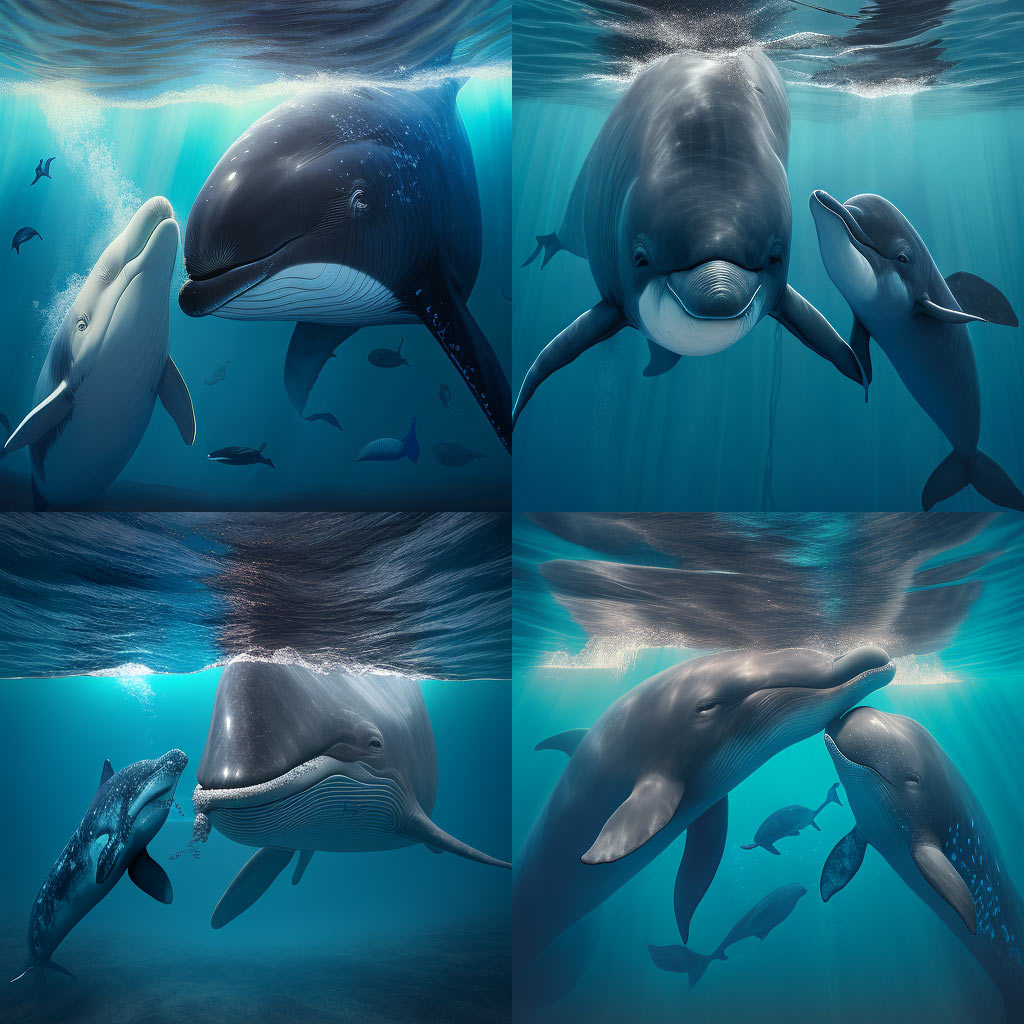
Acoustic monitoring technologies have advanced understanding of species that spend much of their lives offshore or submerged. Modern hydrophone arrays, often networked through the internet, capture underwater soundscapes continuously. Machine-learning models classify call types, identify vocal patterns, and distinguish background noise from meaningful biological signals.
The Monterey Bay Aquarium Research Institute maintains hydrophone systems that track whales in Monterey Canyon, transmitting real-time vocalization data to onshore servers. These tools reveal migration timing, behavioral states, and habitat use that visual surveys cannot easily capture.
Acoustic data enhances the temporal and spatial resolution of marine mammal research. Continuous monitoring supports long-term behavioral analyses, provides early indicators of ecological change, and informs the management of protected areas where marine mammals are active.

eDNA Lets Scientists Find Animals Without Seeing Them
Environmental DNA sampling allows researchers to detect species from microscopic genetic fragments shed into seawater. As marine organisms move, reproduce, or feed, they release DNA material that can be collected from water samples. Sequencing tools then compare the fragments to global genomic databases, generating rapid biodiversity profiles.
Programs at the Smithsonian Environmental Research Center and Norway’s Institute of Marine Research have used eDNA to map communities in reefs, fjords, and deep-sea environments. eDNA has proven particularly useful for identifying rare, cryptic, or deep-dwelling species that visual surveys often miss.
eDNA offers a non-invasive, efficient method for assessing biodiversity across a wide range of habitats. It expands monitoring capacity in environments that are difficult to access, supports rapid ecological assessments, and enhances detection of species that might otherwise remain undocumented.
Smart Sensors Watch Over Coral Reefs 24/7
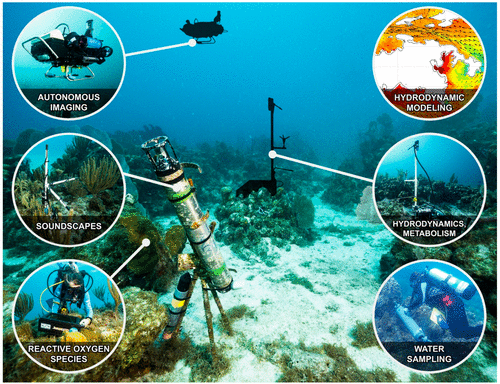
IoT-enabled sensor networks now provide continuous environmental monitoring within coral reef ecosystems. These systems measure temperature, light, pH, salinity, dissolved oxygen, and other ecological variables in real time, generating high-frequency data streams that capture short-term fluctuations and seasonal trends.
Programs across Pacific reef systems rely on sensor arrays that transmit measurements directly to online dashboards used by scientists, conservation practitioners, and environmental agencies. Continuous telemetry allows for early detection of deviations from normal conditions, such as sudden temperature spikes or declining oxygen levels.
Sensor networks strengthen reef management by providing reliable, uninterrupted environmental data. Long-term time series support predictive modeling and inform targeted interventions that help stabilize reef ecosystems under emerging stress.
AI Maps Coral Bleaching and Reef Health Automatically
Machine-vision systems play a central role in mapping coral reefs and diagnosing ecological shifts. By analyzing high-resolution satellite and underwater imagery, AI models classify coral cover, detect bleaching signatures, and distinguish between coral, algae, sand, and substrate with consistent accuracy across regions.
The Allen Coral Atlas integrates satellite imagery with automated classification systems, producing global maps that track bleaching severity and habitat structure. These tools standardize reef monitoring by using uniform criteria, allowing scientists to compare temporal changes at local, regional, and global scales.
Automated reef assessment enhances the efficiency and consistency of ecological monitoring. High-resolution habitat maps support restoration planning, identify priority areas for conservation, and improve long-term tracking of reef resilience.
Robots Are Planting Corals on Damaged Reefs
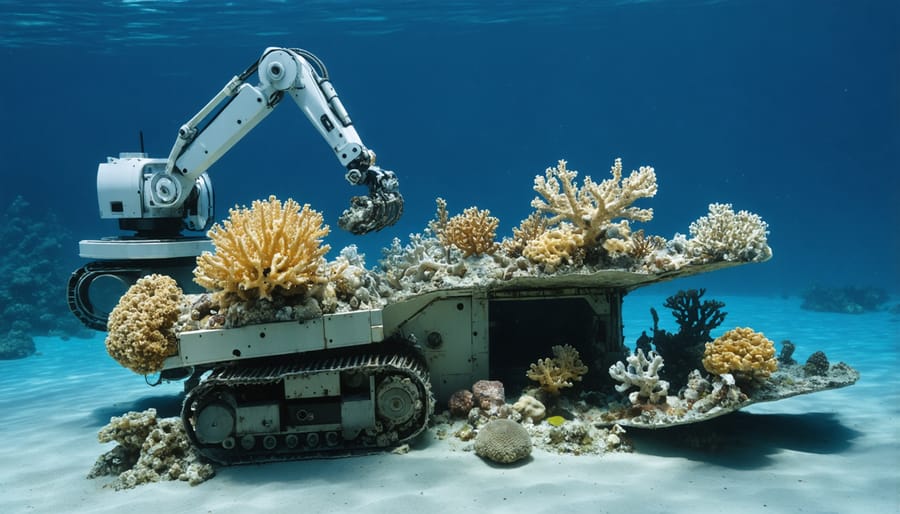
Underwater robotics is increasingly used to accelerate coral restoration efforts. Autonomous and semi-autonomous robots equipped with planting arms, navigation systems, and substrate-detection tools deploy coral microfragments with precision. Their operational endurance allows them to cover areas that would require significantly more time and personnel using manual diver-based methods.
Systems such as RangerBot and CMU’s CORA illustrate how robots can navigate complex terrains and place coral fragments strategically in areas most conducive to growth. These platforms perform repetitive tasks efficiently and operate in environments that may be hazardous or inaccessible to divers.
Robotic restoration expands the scale and reliability of coral rehabilitation programs. By standardizing planting procedures and improving placement accuracy, these systems support restoration strategies that require large-area coverage and long-term ecological stability.

Smart Tags Reveal the Secret Lives of Whales, Sharks, and Turtles
Biologging tags equipped with high-resolution sensors record depth, movement, temperature, acceleration, and spatial position. These devices now transmit data through satellite networks, making it possible to track animals across entire ocean basins with minimal delay.
Stanford University’s Tagging of Pacific Predators program has produced comprehensive datasets on species such as blue whales, elephant seals, and white sharks. These recordings reveal diving behaviors, feeding strategies, and migratory corridors that were previously unknown.
Smart tagging technology provides a deeper understanding of species ecology and habitat use. High-resolution movement data informs conservation strategies, identifies critical habitats, and supports evidence-based spatial management.
AI Predicts Where Marine Animals Will Go Next
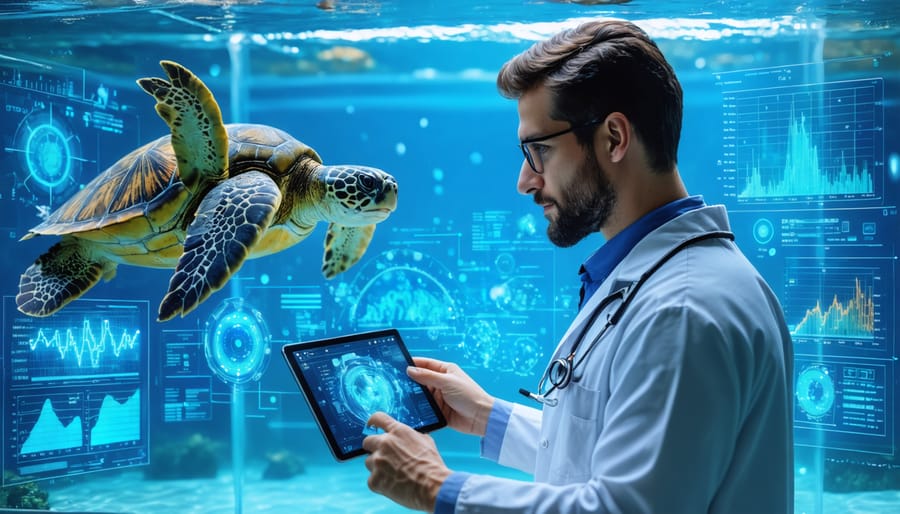
Predictive modeling uses machine-learning systems to analyze tracking data, environmental variables, and historical patterns to forecast future movements of marine species. These models can identify preferred habitats, seasonal migration pathways, and zones of ecological importance.
Research from the University of California Santa Cruz demonstrates how predictive models anticipate leatherback turtle distribution by integrating ocean temperature, productivity data, and prior migratory behavior. The resulting forecasts support adaptive management strategies that adjust to shifting ecological conditions.
Predictive analytics provide resource managers with forward-looking insights that improve the effectiveness of conservation design. Anticipatory planning increases the alignment between protection measures and the dynamic spatial needs of marine species.

Tiny Robots Study Animals Without Disturbing Them
Micro-remotely operated vehicles (micro-ROVs) allow scientists to observe wildlife in environments where larger submersibles or divers cannot operate. Their compact design, low propulsion noise, and maneuverability enable close-range observation of species that are sensitive to disturbance.
Woods Hole Oceanographic Institution has deployed micro-ROVs to study octopuses, reef fishes, and small predators in intricate reef structures and caves. These vehicles record natural interactions, behaviors, and microhabitat use in settings where human presence would alter animal responses.
Micro-ROVs improve the authenticity and accuracy of behavioral observations. Their minimal invasiveness produces datasets that reflect natural ecological dynamics, enhancing the quality of behavioral and community-level research.
Autonomous Underwater Vehicles Explore Deep, Hidden Ecosystems
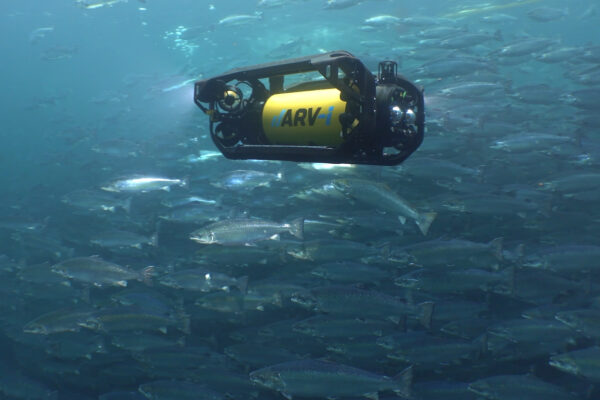
Autonomous underwater vehicles (AUVs) operate independently for long durations, surveying regions far beyond diver depth limits. Equipped with sonar mapping systems, imaging tools, and sampling instruments, AUVs explore deep reefs, vent fields, and submarine canyons with high precision.
The Schmidt Ocean Institute’s AUV SuBastian has documented previously unknown habitats and species across numerous expeditions. Its long-range missions produce high-resolution bathymetric maps and biological imagery essential for characterizing deep-sea ecosystems.
AUV exploration expands scientific capacity in regions that remain poorly documented. These missions establish ecological baselines for vulnerable deep-sea habitats and strengthen efforts to identify areas requiring protection before they face ecological pressure.
Sources
Here is a single unified source list with full article-level URLs, formatted to IoIE standards:
• Allen Coral Atlas; The Allen Coral Atlas Introduces the First Comprehensive Map of Shallow Water Coral Reefs – Link
• Allen Coral Atlas / Partners; Allen Coral Atlas Methods: Mapping and Monitoring the World’s Coral Reefs – Link
• Smithsonian National Museum of Natural History; Building a Library of Life: How Smithsonian Collections Are Revolutionizing Ocean eDNA Research – Link
• Smithsonian National Museum of Natural History; Ocean DNA: Using Sequencing to Survey Marine Life and Assess Ocean Health – Link
• Monterey Bay Aquarium Research Institute (MBARI); Ocean Soundscape Project Overview – Link
• Monterey Bay Aquarium / MBARI; Sound Provides New Information About the Secret Lives of Sperm Whales – Link
• University of California, Santa Cruz; Tracking of Top Marine Predators Reveals Pacific Ocean Hot Spots – Link
• Census of Marine Life; Tagging of Pacific Predators (TOPP) Research Program Summary – Link
• Schmidt Ocean Institute; 4500 m Remotely Operated Vehicle (ROV SuBastian) Technical Overview – Link
• Schmidt Ocean Institute; Leg 2 ROV Highlights: Edge of the Great Barrier Reef Expedition – Link
• Wikelski M. et al.; Introducing a Unique Animal ID and Digital Life History Museum for Ecology and Conservation – Link
• Baletaud F. et al.; Automatic Detection, Identification and Counting of Deep-Water Snappers in BRUVS Using Faster R-CNN – Link
• Warren V.E. et al.; Passive Acoustic Monitoring Reveals Spatio-Temporal Distributions of Antarctic and Pygmy Blue Whales Around Central New Zealand – Link
• Emmons C.K. et al.; Passive Acoustic Monitoring Reveals Spatio-Temporal Segregation of Two Fish-Eating Killer Whale Populations – Link
• Djurhuus A. et al.; Environmental DNA Reveals Seasonal Shifts and Potential Interactions in a Marine Community – Link
• Oceanography Magazine; Observing Life in the Sea Using Environmental DNA – Link
• Xu G. et al.; Internet of Things in Marine Environment Monitoring: A Review – Link
• González-Rivero M. et al.; Monitoring of Coral Reefs Using Artificial Intelligence: A Feasible and Cost-Effective Approach – Link
• Piñeros V.J. et al.; From Remote Sensing to Artificial Intelligence in Coral Reef Monitoring – Link
• Bograd S.J. et al.; Biologging Technologies: New Tools for Conservation – Link
• Andrzejaczek S. et al.; Biologging Tags Reveal Links Between Fine-Scale Movement Ecology and Habitat Use of Tiger Sharks – Link
• Burgos J.M. et al.; Predicting the Distribution of Indicator Taxa of Vulnerable Marine Ecosystems in the North Atlantic – Link
• Gerdes K. et al.; Detailed Mapping of Hydrothermal Vent Fauna: A 3D Reconstruction Approach – Link